Total Knee Replacement
Expert Treatment by Dr. Mohammed Jawwad – Orthopedic Surgeon
Home > Services > Total Knee Replacement
Expert Treatment by Dr. Mohammed Jawwad – Orthopedic Surgeon
Home > Services > Total Knee Replacement
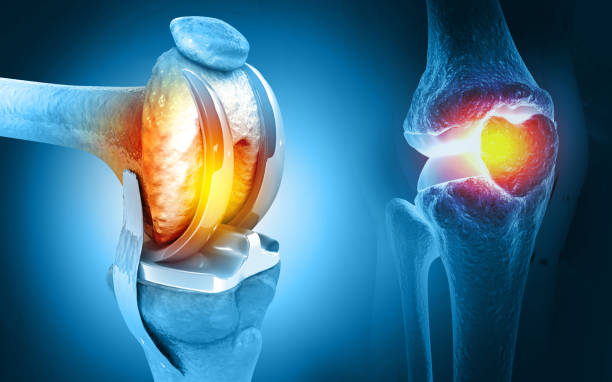
Dr. Mohammed Jawwad is an experienced Orthopedic Surgeon specializing in Total Knee Replacement (TKR) and advanced joint replacement surgeries. He provides precise, modern surgical treatments for patients suffering from severe arthritis, knee degeneration, and chronic joint pain.
Total Knee Replacement (Knee Arthroplasty) is a surgical procedure where damaged portions of the knee joint are replaced with artificial implants. This helps restore smooth movement, reduce pain, and improve knee function in patients with advanced arthritis or injury-related degeneration.
The knee replacement procedure generally includes:
Recovery after knee replacement includes:
Common Questions
Find answers to common questions about total knee replacement surgery, recovery, rehabilitation, implants, and consultation with Dr. Mohammed Jawwad in Bengaluru.
Total Knee Replacement (TKR), also known as knee arthroplasty, is a surgical procedure used to treat a severely damaged or arthritic knee joint. During the procedure, damaged bone and cartilage are removed and replaced with specially designed metal and medical-grade plastic components. The aim is to reduce pain, improve joint movement, and help patients return to their everyday activities more comfortably.
Knee replacement may be considered when knee pain, stiffness, swelling, or deformity significantly affects walking, climbing stairs, sleeping, or other daily activities. It is generally recommended when treatments such as medication, physiotherapy, activity modification, or injections no longer provide adequate relief. A detailed examination and imaging, such as X-rays, are usually required before deciding whether surgery is appropriate.
Total knee replacement is most commonly performed for advanced osteoarthritis. It may also be considered for patients with rheumatoid arthritis, post-traumatic arthritis, severe cartilage damage, significant knee deformity, or long-term joint deterioration following an injury.
No. There is no single age at which knee replacement becomes necessary. The decision is based more on the severity of joint damage, the level of pain and disability, overall health, and how much the knee problem is affecting quality of life. Both older adults and selected younger patients with advanced knee damage may be considered for surgery.
A typical total knee replacement procedure takes approximately 1 to 2 hours, although the exact duration can vary depending on the condition of the knee, the surgical technique used, and the patient's individual circumstances. Additional time is required for preparation before surgery and monitoring after the procedure.
Anaesthesia is used during surgery, so patients should not feel the operation itself. Some pain, swelling, and discomfort are expected during the early recovery period. Pain is usually managed using appropriate medications, cold therapy, positioning, and physiotherapy. Discomfort generally improves progressively as the knee heals and mobility increases.
Many patients are encouraged to stand and begin walking with assistance within 24 to 48 hours after surgery, depending on their condition and the surgeon's recommendations. Early movement and physiotherapy are important parts of recovery because they help improve mobility, restore strength, and reduce the risk of complications.
Recovery is different for every patient. Many people notice significant improvement during the first 6 to 12 weeks, although strength, flexibility, and confidence can continue improving for several months. Following the prescribed physiotherapy programme and postoperative instructions plays an important role in achieving the best possible recovery.
Hospital stay varies according to the patient's health, mobility, pain control, and progress after surgery. Some patients may be discharged within a few days once they can move safely and their medical team is satisfied with their recovery. Dr. Mohammed Jawwad will advise on the expected hospital stay based on each patient's individual needs.
Physiotherapy is an essential part of knee replacement recovery. It helps restore movement, improve muscle strength, increase flexibility, and support safe walking. Patients are usually given a structured rehabilitation programme that progresses gradually as the knee heals.
Many routine activities can be resumed gradually over the first few weeks after surgery. The timing depends on factors such as age, general health, muscle strength, occupation, and progress with rehabilitation. Driving, work, exercise, and more demanding activities should only be resumed after receiving appropriate medical advice.
Yes. Most patients are able to return to climbing stairs as their strength and balance improve. During the early recovery period, patients may be taught a specific technique for using stairs safely while using a walking aid or handrail.
After recovery, many patients can return to low-impact activities such as walking, swimming, cycling, and other exercises recommended by their doctor or physiotherapist. High-impact activities involving repeated jumping, heavy loading, or significant stress on the knee may not be recommended because they can increase wear on the implant.
Modern knee replacement implants are designed to provide long-term function. Many can last 15 to 20 years or longer, although implant lifespan varies according to age, body weight, activity level, implant type, overall health, and other individual factors. Regular follow-up can help monitor the condition of the replaced joint.
Like any major surgery, knee replacement carries some risks. Possible complications include infection, blood clots, bleeding, stiffness, persistent swelling or discomfort, nerve or blood vessel injury, implant loosening or wear, and reactions related to anaesthesia. Your orthopedic surgeon will discuss your individual risk factors and the precautions taken before and after surgery to reduce these risks.
Knee replacement may be performed using spinal, regional, or general anaesthesia depending on the patient's health, medical history, and the recommendations of the surgical and anaesthesia teams. The anaesthetist will discuss the most appropriate option before surgery.
The main goals of knee replacement are to reduce pain and improve function. Many patients experience a major improvement in mobility and quality of life, but an artificial knee may not feel exactly the same as a natural, healthy knee. Some patients may occasionally notice mild stiffness, clicking, numbness around the scar, or other sensations even after successful recovery.
Preparation may include blood tests, imaging, medical assessment, medication review, management of existing health conditions, and exercises to strengthen the muscles around the knee. Patients may also be advised to prepare their home for recovery by creating clear walking spaces and arranging any necessary support for the first few weeks after surgery.
Yes, both knees can be replaced when medically appropriate. This may be performed during the same admission in selected patients or as two separate procedures. The safest and most suitable approach depends on the patient's age, overall health, severity of arthritis, and other medical factors.
Dr. Mohammed Jawwad provides orthopedic assessment and treatment for patients experiencing knee pain, arthritis, joint degeneration, and reduced mobility. Treatment recommendations are based on the patient's symptoms, examination findings, imaging, lifestyle, and individual needs. Patients are guided through the full treatment journey, including diagnosis, surgical planning when required, postoperative care, and rehabilitation.
Consultations are available at Ground Floor, Near Kanti Sweets, Thanisandra Main Road, Opp. Indira Canteen, RK Hegde Nagar, Bengaluru, Karnataka 560077. For appointments, call +91 74111 54747.
You can book an appointment with Dr. Mohammed Jawwad, Orthopedic Surgeon, by calling +91 74111 54747. During the consultation, your symptoms, medical history, knee movement, and available investigations can be reviewed to determine whether conservative treatment or knee replacement surgery may be appropriate.
Fellowship-Trained Specialist
Minimally Invasive Techniques
10+ Years of Expertise
Patient-Centered Treatment